
The Growing OT Cybersecurity Mandates for SG Government Projects

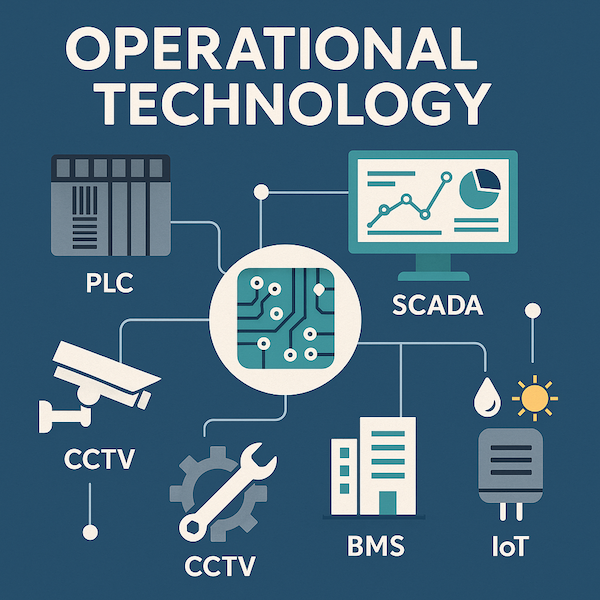
As more Mechanical & Electrical (M&E) vendors take on projects involving Operational Technology (OT) in critical infrastructure — from defense facilities to surveillance networks — cybersecurity is no longer optional. It’s a fundamental requirement. Whether you’re deploying SCADA systems for water treatment or installing sensors in a defense facility, your OT systems are now part…

Demystifying Cybersecurity Testing: DAST, SAST, VAPT, SSAT and SSCT Explained

If you are a Singapore government vendor, such as a provider of CCTV systems or Building Management Systems (BMS), you will likely encounter cybersecurity terms like DAST, SAST, VAPT, SSAT and SSCT frequently in project requirements. These tests are critical to ensuring the security and compliance of systems, particularly for on-premise or air-gapped deployments. Their differences…

How to Justify Compliance Waivers to Government Stakeholders

When working on government projects, security compliance is not a box-ticking exercise—it’s a contractual requirement with real impact on deployment timelines, payment milestones and long-term credibility. But what happens when a project component doesn’t fully meet the SSCT or Cybersecurity requirements? Are you out of options? Not necessarily. The Role of Waivers in SSCT or…

Why Most Vendors Struggle with SG Gov Cybersecurity Compliance

For many vendors supporting government projects—particularly those supplying Field Devices, CCTV systems or Building Automation / Management Systems (BMS)—the Security Compliance Testing (SSCT) requirements often comes as an unexpected hurdle. It’s not uncommon: your solution is technically ready, the integration is working, and the project is on track… until the email comes in:“Please submit your…

A Comprehensive Guide to Singapore Cybersecurity Compliance

Singapore’s digital infrastructure is governed by a robust set of cybersecurity frameworks. For companies working with government agencies or financial institutions, compliance is no longer optional—it’s a critical success factor. This guide explains three of the most important frameworks: IM8 (The Instruction Manual for ICT&SS Management) – The baseline for all public sector IT systems…

Penetration Testing: Black, Grey, and White Box Approaches

Penetration testing (pentesting) is a critical process for identifying vulnerabilities in applications and systems by simulating real-world attacks. The three primary approaches—black box, grey box, and white box—differ in the level of knowledge and access provided to the tester. Each approach has specific use cases, effort levels, and applicability depending on the application type, such…

Cracking the Shell: Circumventing In-App Protections in Mobile App Penetration Testing

Modern mobile applications come with layers of in-app security controls designed to prevent tampering, reverse engineering, and data theft. These mechanisms—while essential for protecting users in production—can pose a challenge for security testers aiming to uncover deeper, real-world vulnerabilities. In this blog, we’ll explore common in-app protections such as root/jailbreak detection, runtime tampering detection, SSL…